Inside the Coen Brothers’ Cinematic Universe: How Authority Figures Shape Their Darkest Stories
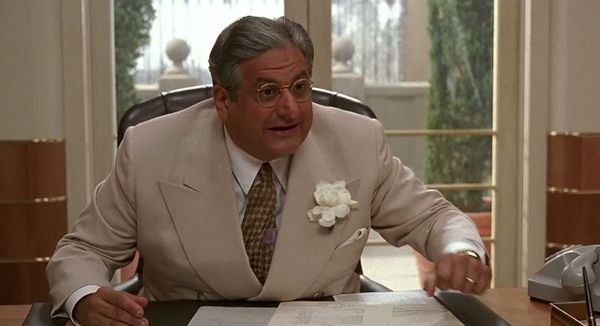
If there’s one tired mantra that screenwriters have been hammered with ad nauseam, it’s this: No conflict means no drama, and no drama means no story. But have you ever stopped to wonder why conflict is so absolutely baked into the DNA of good storytelling? It’s like the narrative heartbeat — without it, characters just drift, plots sag, and audiences yawn. Conflict isn’t just a plot device; it’s the crucible that reveals character, stirs transformation, shakes up the storyline, and keeps us glued to the screen or page with baited breath. Now, if you think conflict is just about gruff battles or shouting matches, think again. The Coen brothers, those masterful storytellers, have long played with conflict’s kaleidoscope — especially through the lens of authority figures who loom like dark clouds over their protagonists. Whether it’s the relentless sheriff chasing convicts in O Brother, Where Art Thou, the suffocating studio boss stifling a playwright’s soul in Barton Fink, or the volatile crime lords pulling strings in Miller’s Crossing, authority figures aren’t just obstacles — they’re the catalysts of both external chaos and internal turmoil. So, what’s with this long shadow that authority casts in Coen’s films? And how can you harness that dynamic to supercharge your own scripts with compelling conflict? Ready to unravel the mysterious dance between power, pressure, and the human psyche as only the Coens can show us? LEARN MORE









Post Comment