Exclusive Interview: Rebecca McClanahan Reveals the Hidden Inspirations Behind "Light Falls On Everything"
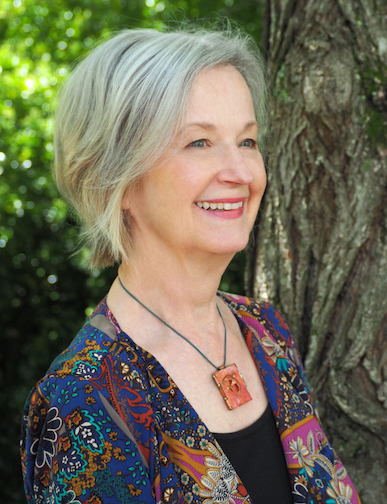
LL: In the chapter, “I Stand Here Ironing,” you wrote:
“It was the seventies. I was supposed to be roaring. Against male oppression, domestic servitude, my own internal censors. And, most important, I was supposed to be writing my Mother Poem. ‘Every woman must write the Mother Poem,’ our workshop leader announced…I could almost hear the uppercase emphasis in her voice.”
OK, I have got to hear more about this! Can you expand on this?
RM: During that time period, much of the work by women writers that I was assigned in classes and workshops seemed to be fueled primarily by rage, rebellion, and criticism not only of societal, racial, and gender-based ills but also, closer to home, by what felt like blame and anger aimed at the writers’ mothers for the choices they’d made, the domestic roles they’d accepted, and the alleged injuries they’d inflicted on their daughters. That was not my personal experience, not my truth. Though I had plenty to rage against in the larger world context, I felt—and feel still—that I won the lottery with my own mother, and all six of her children feel the same. So it felt dishonest to write the kind of poem the leader seemed to be pressing us to write.