Unlock the Secret Path to Becoming a WordPress Developer Faster Than You Ever Imagined
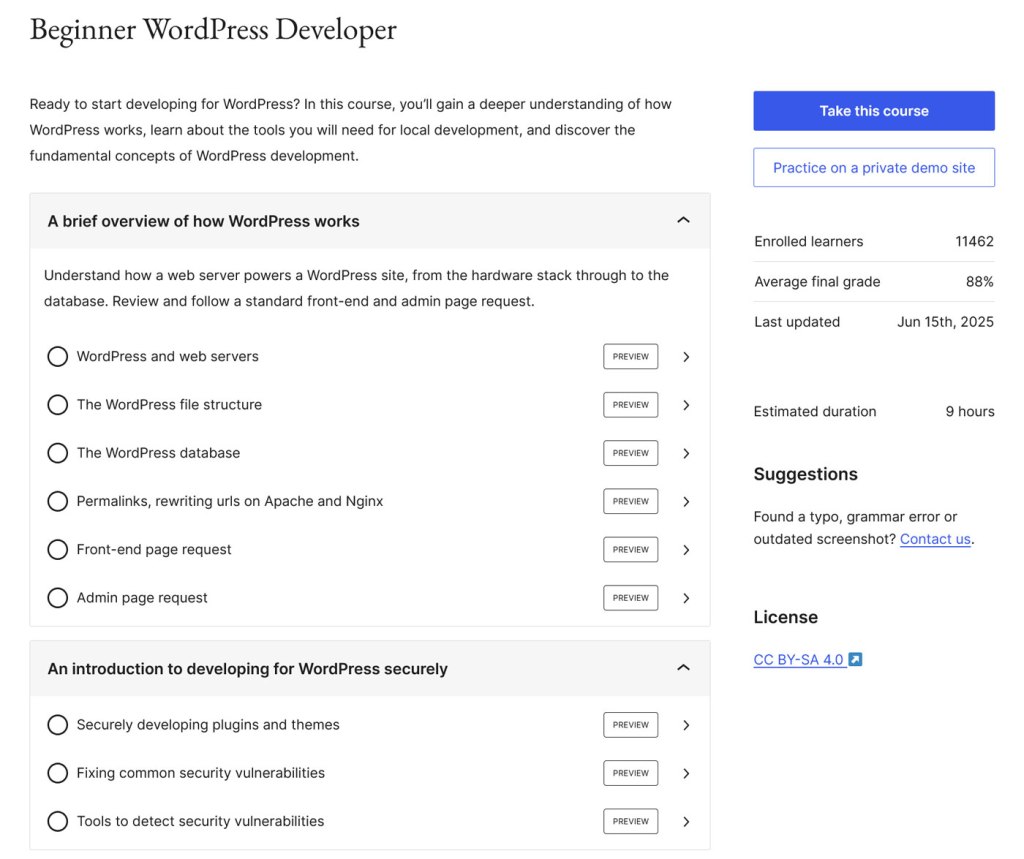
What WordPress developers do
Depending on your role, here are some of the core tasks you might handle:
- Frontend development: Means working on the visual elements of a website, like layout, fonts, colors, and all parts of the user experience. It often involves modifying existing themes or building custom ones. In WordPress, frontend work can involve the built-in Site Editor as well as HTML, CSS, and JavaScript.
- Backend development: Here, the focus is on server-side functionality; basically, everything that happens in the background of a WordPress website. Typical tasks include using PHP to customize theme functions, create plugins, or modify WordPress core features.
- Block development: This is a growing area focused on creating custom WordPress blocks using JavaScript. It’s essential for both theme and plugin work since most content elements in WordPress now work with blocks.
- Site management: Typical tasks include updating WordPress core, themes, and plugins, trying out new extensions, managing user accounts, doing design and content updates, or running speed tests and acting on the results. You may also do site migrations and deployments.
- Ecommerce development: Involves setting up and customizing online stores. WooCommerce is a great example of this. You’ll handle product pages, checkout flows, shipping logic, and integrations with payment gateways.
- Contributing to WordPress core: You can do almost all of the activities above to help improve the WordPress core software as well.
Assembling your WordPress development toolkit
To become a WordPress developer, you need the right tools for the job. Here are great options to start with:












Post Comment