Unlock the Secret Strategy That Guarantees Victory in Any Writing Contest
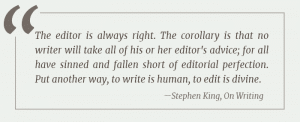
How NOT to Win a Writing Contest
Before you learn how to become a contest winner, it’s worth knowing what will prevent you from winning a contest. Let’s get the obvious out of the way.
Submitting a proofed short story that is free of writing errors and follows the contest submission guidelines is the minimum requirement you need to meet if you want to win a writing contest.
Here are some common mistakes that prevent writers from winning, entry after entry:
Don’t proofread. Do I really need to tell you to proofread? Personally, I’m lenient when it comes to some typos. If the piece is excellent but has two or three mistakes. I recognize that there is time to fix them before we publish the story. A grammatical error every once in a while won’t break your story, but enough that clutters the story will.- Knowingly or unknowingly break grammar rules. If you want to win, observe proper grammar. Again, I don’t really need to tell you this, do I?
- Write 1,000 words more than the word count limit. You will not win a short story contest if you submit a 2,500-word story to a writing contest asking for contest entries 1,500 words or fewer. Follow the word limit, and don’t waste your entry fee.
- Submit a literary fiction masterpiece to a supernatural romance contest. Yes, that’s a recipe for failure. Writing contests generally lean toward certain genres. If the genre is not explicitly stated, read previously published stories from the contest to get a sense of what the judges will be looking for.
- If there is a theme, ignore it. Writing contests often ask for pieces that fit a certain theme or even follow a prompt. A good way to lose a short story contest is to ignore the contest theme requirements and write whatever you feel like.
These are obvious, right? I would like to believe that they are, but I’ve judged enough writing contests to know that many people don’t seem to understand these tips.
CHECK OUT THE HOTTEST DEALS AND MORE ON AMAZON!
Fight or Flight (Diary of a Wimpy Kid #21) (Volume 21)
$10.97 (as of October 25, 2026 02:52 GMT +00:00 - More infoProduct prices and availability are accurate as of the date/time indicated and are subject to change. Any price and availability information displayed on [relevant Amazon Site(s), as applicable] at the time of purchase will apply to the purchase of this product.)
The Washwoman at the River's End (The Curse of the Fates Series)
$19.99 (as of October 25, 2026 02:51 GMT +00:00 - More infoProduct prices and availability are accurate as of the date/time indicated and are subject to change. Any price and availability information displayed on [relevant Amazon Site(s), as applicable] at the time of purchase will apply to the purchase of this product.)
Murdoku: 80 Murder Mystery Logic Puzzles
$15.19 (as of October 25, 2026 02:52 GMT +00:00 - More infoProduct prices and availability are accurate as of the date/time indicated and are subject to change. Any price and availability information displayed on [relevant Amazon Site(s), as applicable] at the time of purchase will apply to the purchase of this product.)
You're My Little Baby Boo (Board Book for Babies and Toddlers 0-2 years old)
$5.27 (as of October 25, 2026 02:52 GMT +00:00 - More infoProduct prices and availability are accurate as of the date/time indicated and are subject to change. Any price and availability information displayed on [relevant Amazon Site(s), as applicable] at the time of purchase will apply to the purchase of this product.)




Post Comment