Unlock the Secret to Crafting Unforgettable Characters That Captivate Every Reader’s Heart
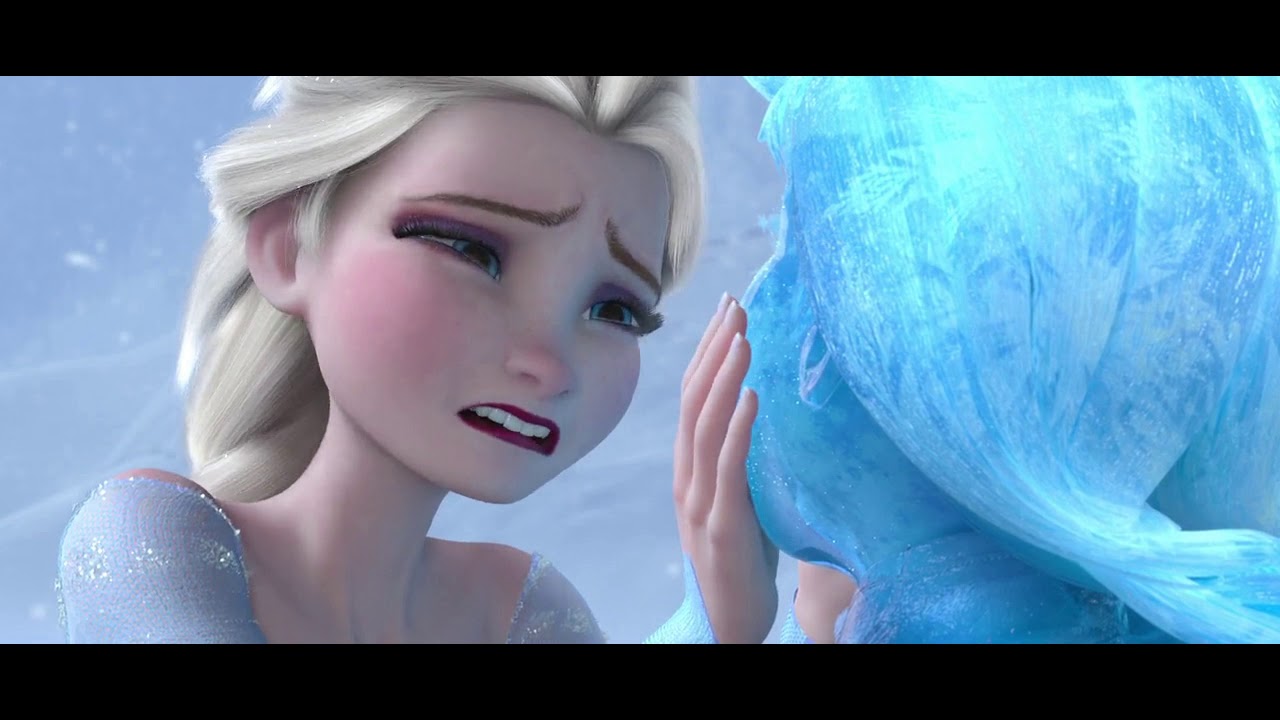
Secondary characters are the next category, and they contain all the other types of characters, including:
- Villain or Antagonist. Not every story has a villain, but for the ones that do, the villain is the chief source of external conflict.
- Love interest and love rival. In stories with a love plot or subplot, the love interest is the chief love interest for the protagonist and may even be a protagonist themselves. They may be static, meaning they don’t change over the course of the story, or dynamic, meaning they do change, but they add to the romantic tension. Similarly, most love stories involve rivals, another love interest who creates a love triangle and increases the romantic tension.
- Foil Character. A secondary character who acts as a mirror to the protagonist and is often very similar but different in one major way that allows us to better understand the protagonist’s personality and choices.
- Mentor. The mentor is a character who steers the protagonist, helps get them out of trouble, and provides chances for reflection. A mainstay of the hero’s journey plot structure, in many types of stories, without a good mentor, the character’s journey will end in tragedy (e.g. think about Hamlet, who had no mentor).
- Sidekick. A sidekick is a character who supports the protagonist. Besides the protagonist and villain, they have the most opportunity for characterization and provide dialogue opportunities and insight into the character’s mindset. Sidekicks appear in all genres, from romance (e.g. Mercutio from Romeo and Juliet) to adventure (e.g. Samwise Gamgee from Lord of the Rings) to mystery (e.g. Inspector Beauvoir from the Inspector Gamache series) and more.
- Side Characters. Side characters often have fully developed personalities, long interactions with the protagonist, and perhaps even deep backstories. However, they rarely make decisions or change throughout the story.
- The Chorus. A term from playwriting, these characters may have names and vague descriptions, but they do not have fully developed personalities and are chiefly there to serve as bystanders.
- Suspects. Specific to mysteries and thrillers, suspects have fully developed personalities, and they serve as objects of exploration for the investigator. They should all have motives and appear at least somewhat guilty of the crime, if only to serve as red herrings.
These tend to be static characters with a flat character arc, at least within the confines of the story. However, great writers know that all characters have their own arc. Your job as a writer is to choose how much of that arc to show the reader in the story.
CHECK OUT THE HOTTEST DEALS AND MORE ON AMAZON!

Making Peace with What I Can’t Control: Find Relief from the Exhaustion of Overthinking, Trying to Fix Others, and Wanting to Figure It All Out
$19.98 (as of October 20, 2026 02:49 GMT +00:00 - More infoProduct prices and availability are accurate as of the date/time indicated and are subject to change. Any price and availability information displayed on [relevant Amazon Site(s), as applicable] at the time of purchase will apply to the purchase of this product.)
The Leaf Thief: (The Perfect Fall Book for Children and Toddlers)
$4.18 (as of October 20, 2026 02:49 GMT +00:00 - More infoProduct prices and availability are accurate as of the date/time indicated and are subject to change. Any price and availability information displayed on [relevant Amazon Site(s), as applicable] at the time of purchase will apply to the purchase of this product.)
Partita: A Novel
$22.31 (as of October 20, 2026 02:49 GMT +00:00 - More infoProduct prices and availability are accurate as of the date/time indicated and are subject to change. Any price and availability information displayed on [relevant Amazon Site(s), as applicable] at the time of purchase will apply to the purchase of this product.)
Miss Wolcott's Ghost: A Novel (Chief Inspector Gamache Novel, 21)
$21.00 (as of October 20, 2026 02:49 GMT +00:00 - More infoProduct prices and availability are accurate as of the date/time indicated and are subject to change. Any price and availability information displayed on [relevant Amazon Site(s), as applicable] at the time of purchase will apply to the purchase of this product.)







Post Comment