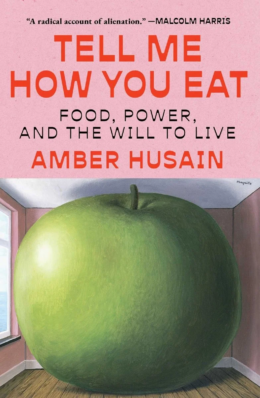
Unveiling the Hidden Forces Shaping Our Relationship with Food: A Provocative Review of Amber Husain’s "Tell Me How You Eat"
First up: the Minnesota Starvation Experiment, a post-WWII study conducted with men as the subjects that came to the unshocking conclusion that severe food deprivation makes people crazy, even when they sign up for it. She studies self-starving women in history, including Simone Weil, Karl Marx’s daughter Eleanor, and “holy anorexics,” groups of Italian nuns between the thirteenth and fifteenth centuries who sought a sort of ecstasy via deprivation. In all cases, an altruistic goal underlies the starvation. But unlike the examples of people who went on hunger strikes in order to affect change — including suffragettes, imprisoned IRA fighters, and Gandhi — these smaller-scale, more personal decisions to not eat accomplished little other than wreaking havoc on the bodies of those who chose to starve.