Uncover the Hidden Stresses Sabotaging Your Transition—Are You Experiencing Them?
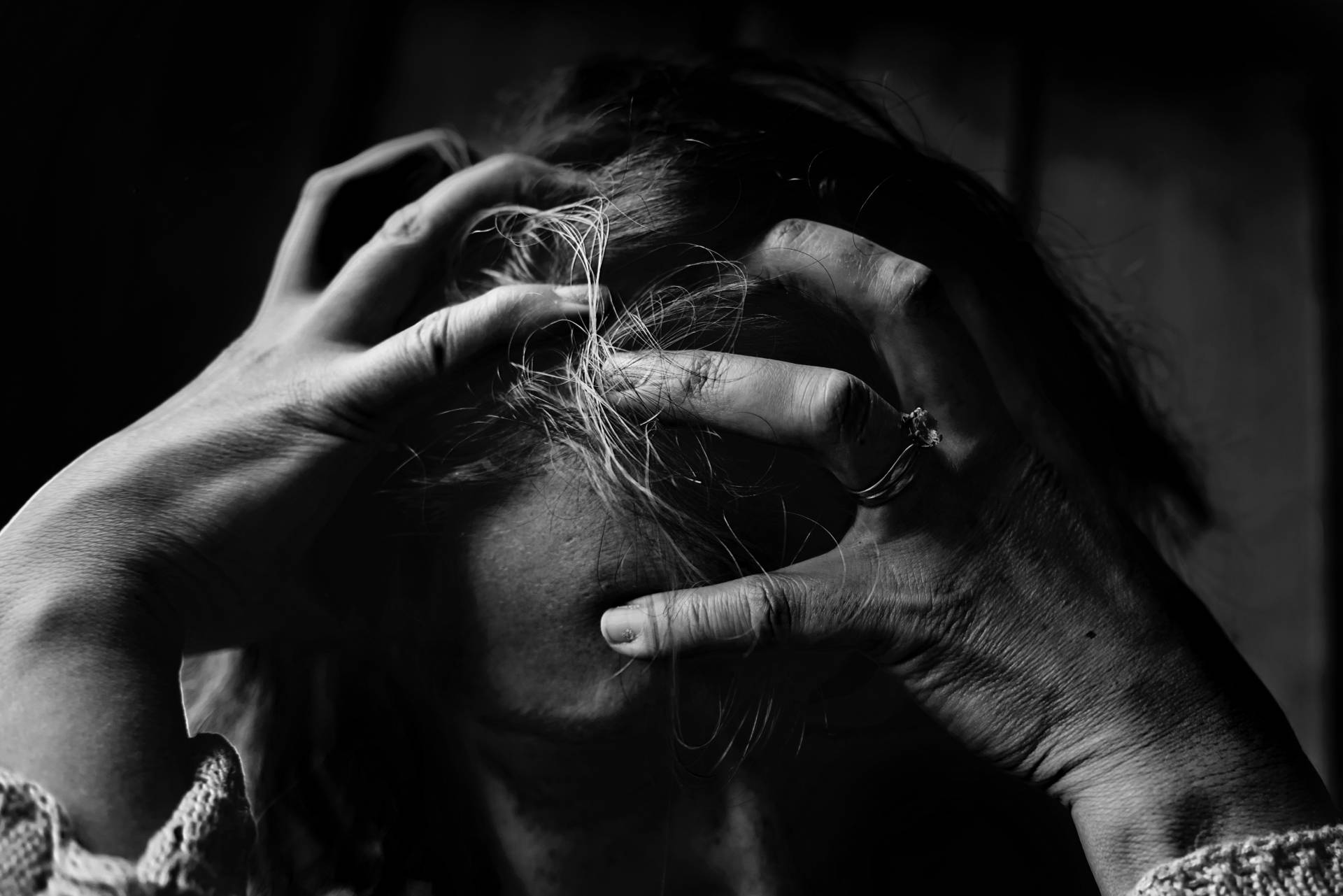
With regard to chemical impact on the body, the study found coffee drinking, excessive consumption of sugar and salt, regular consumption of various prescription drugs, nicotine alcoholic beverages, air pollution, and even quality of water to be offenders. Physical stressors might be overweight, lack of exercise, excessive commuting, and sedentary lifestyle.
For the sake of this blog, I want to focus on the attitudinal and, more specifically, the emotional stressors and associated symptoms. Examples of stressors associated with being in transition are problems with sleep, inability to relax, heightened levels of frustration, potential for affecting relationship with spouse, adverse effect on mood, and feelings of hopeless and depression. And most people have a combination of such stressors. In terms of symptoms, people in transition might feel depressed or moody, get angry easily, gain or lose significant amounts of weight, go through bouts of insomnia, feel overcome with fatigue, lose ability to concentrate, and experience anxiety, worry, shyness, and isolation. So the question is, how to deal with all of those?