Unlock the Secret Formula Behind Brand Guidelines That Inspire Creative Mastery
Words matter. When you sit down to write a brand guidelines document, you are not just picking colors or fonts. You are creating a foundational grammar and terminology playbook for your entire organization. If your creative team confuses the terms “brand,” “branding,” and “identity,” they will inevitably produce inconsistent copy. Inconsistent copy confuses readers, dilutes your core message, and makes your business appear unprofessional.
The primary goal of this guide is to clarify these specific terms for writers. By establishing clear terminology definitions, your internal documentation will set a precise standard for every single piece of content you publish. When your copywriters, editors, and marketers speak the same language, the resulting content becomes sharp, unified, and highly effective.
What is the Grammatical Difference Between Brand, Branding, and Identity?

Words function differently based on their part of speech. Understanding the grammatical function of these three core words helps creative teams use them correctly in strategy meetings, content briefs, and final documentation. When your writers know the exact definition and grammatical role of each term, they communicate with precision. They stop using the words interchangeably, which immediately elevates the quality of your internal and external communications.
How Should You Define “Brand” in Your Terminology Guide?
“Brand” is a noun. It is the abstract concept or the emotional relationship a customer has with a company. You cannot hold a brand in your hands. It is the gut feeling a person gets when they hear your company name.
In your style guide, instruct writers to treat the brand as the core subject of your business narrative. A professional brand design firm helps establish this foundation by mapping out the psychological landscape of the business. However, your writers must maintain that foundation through consistent and careful noun usage. Provide clear examples in your documentation of how to write about the brand accurately. For instance, instruct writers to say “Our brand represents trust” rather than “Our branding is trust.”
Why Does “Branding” Require Active Verbs?
“Branding” functions as an active verb or a gerund. It represents the ongoing actions, campaigns, and communications a company executes to shape its reputation in the market. Branding is an active, never-ending process.
Instruct your writers to use active voice and strong action verbs when describing branding efforts in their internal documentation. Branding is never passive. It is the daily process of writing, designing, communicating, and publishing. In your guidelines document, emphasize that branding requires verbs like “building,” “executing,” “launching,” and “communicating.” This grammatical distinction reminds the team that branding is something they actively do every single day.
What Nouns and Adjectives Best Describe “Identity”?
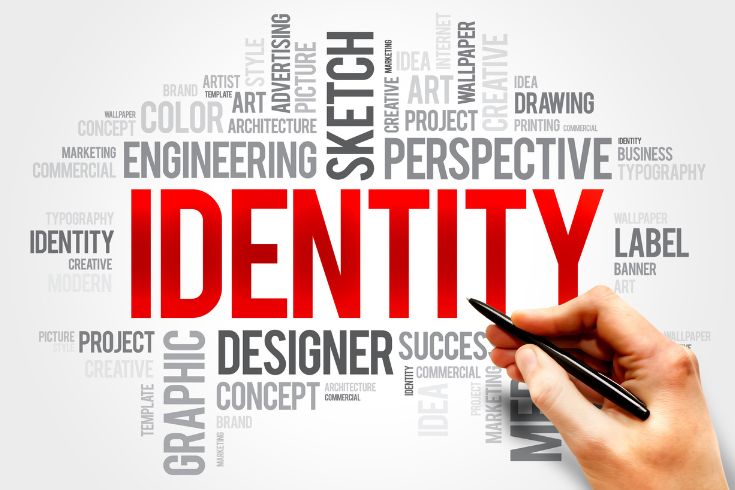
“Identity” is a noun that encompasses a collection of tangible assets. While the “brand” is an abstract feeling, the “identity” is what you can see, hear, and read. This includes your logos, your typography choices, and your specific vocabulary lists.
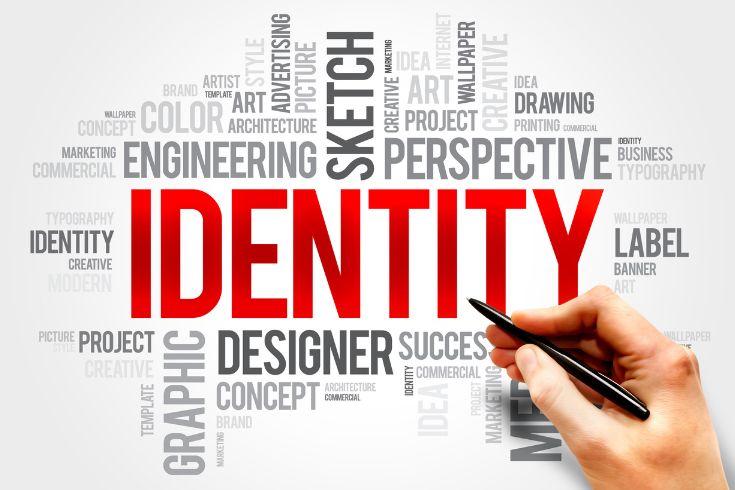
Give your writers actionable tips on curating a list of approved adjectives that describe the brand identity accurately. Are you “bold and energetic” or “calm and professional”? Defining these specific adjectives in your guidelines leaves no room for grammatical guesswork. When writers have a concrete list of approved adjectives, they can easily craft copy that matches the visual identity perfectly.
How Do You Establish Grammar and Tone Rules in Your Guidelines?
Once you have defined your core terminology, you must pivot to the practical application of these definitions. Creating the “Voice and Tone” section of a brand guidelines document requires laying down specific, unbreakable rules for your writers.
Here are the key elements you need to include:
- Punctuation Choices: Establish clear rules for punctuation. Specify whether your company uses the Oxford comma. State your rules on exclamation points, semicolons, and parentheses. Clear punctuation rules prevent stylistic clashes when multiple writers work on the same project.
- Banned Words: Create a comprehensive list of banned words that dilute your message. These might include industry jargon, overly complex vocabulary, or weak modifiers like “very” and “really.”
- Sentence Structure Preferences: Outline your preferred sentence structures. If your brand voice is punchy and modern, instruct writers to favor short, active sentences. If your voice is more academic, provide guidelines on structuring longer, more complex sentences without losing the reader’s attention.
How Can Your Creative Team Implement This Document?
A guidelines document is only useful if people actually read it and apply it. You need a structured plan to ensure your creative team adopts these new rules.
Here is a short checklist for rolling out your new terminology guide:
- Host a Dedicated Training Session: Do not just email the document. Schedule a meeting focused strictly on terminology and grammar to walk the team through the new standards.
- Update Onboarding Materials: Make the brand guidelines document the very first thing new copywriters read during their onboarding process.
- Equip Your Editors: Require your editing team to use the guide as a daily reference checklist during the proofreading stage. If a piece of copy violates the established grammar rules, the editor must send it back for revisions.
- Schedule Quarterly Reviews: Language evolves, and your guidelines should too. Review the document every few months to add new vocabulary words or clarify confusing grammar rules.
How Do We Conclude This Guide?
Creating a successful brand guidelines document ultimately relies on strict terminology and absolute grammatical clarity. If your creative team does not understand the fundamental difference between abstract concepts and actionable processes, your external messaging will suffer.
To recap the most important points from this guide, you must define “brand” as an abstract noun representing customer relationships. You must define “branding” as the active, ongoing process of shaping that reputation. Finally, you must define “identity” as the tangible, physical assets and specific vocabulary that represent your company to the world.
Take the time to audit your current style guides today. Ensure your grammar rules are clear and your terminology is strictly defined. For more practical business writing advice, grammar rules, and copywriting strategies, subscribe to the dailywritingtips.com newsletter today.







Post Comment