Unlock the Hidden Power of Point of View: Master First, Second, and Third Person Like a Pro!
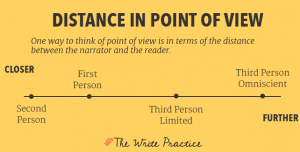
For example, Gillian Flynn’s Gone Girl pits two unreliable narrators against one another. Each relates their conflicting version of events, one through typical narration and the other through journal entries. Another example is Fight Club, in which *SPOILER* the narrator has a split personality and imagines another character who drives the plot.
Other Interesting Uses of First Person Narrative:
- The classic novel Heart of Darkness is actually a first person narrative within a first person narrative. The narrator recounts verbatim the story Charles Marlow tells about his trip up the Congo river while they sit at port in England.
- William Faulkner’s Absalom, Absalom! is told from the first person point of view of Quentin Compson; however, most of the story is a third person account of Thomas Sutpen, his grandfather, as told to Quentin by Rosa Coldfield. Yes, it’s just as complicated as it sounds!
- Salman Rushdie’s award-winning Midnight’s Children is told in first person, but spends most of the first several hundred pages giving a precise third person account of the narrator’s ancestors. It’s still first person, just a first person narrator telling a story about someone else.
Two Big Mistakes Writers Make with First Person Point of View
When writing in first person, there are two major mistakes writers make:
CHECK OUT THE HOTTEST DEALS AND MORE ON AMAZON!
INFLUENCING THE MASSES: The Psychological Techniques a Handful of People Use to Steer Billions of Minds
$19.98 (as of November 14, 2026 03:17 GMT +00:00 - More infoProduct prices and availability are accurate as of the date/time indicated and are subject to change. Any price and availability information displayed on [relevant Amazon Site(s), as applicable] at the time of purchase will apply to the purchase of this product.)
The Rainbow Fish
$5.94 (as of November 14, 2026 03:17 GMT +00:00 - More infoProduct prices and availability are accurate as of the date/time indicated and are subject to change. Any price and availability information displayed on [relevant Amazon Site(s), as applicable] at the time of purchase will apply to the purchase of this product.)
Theo of Golden: A Novel
$12.99 (as of November 14, 2026 03:17 GMT +00:00 - More infoProduct prices and availability are accurate as of the date/time indicated and are subject to change. Any price and availability information displayed on [relevant Amazon Site(s), as applicable] at the time of purchase will apply to the purchase of this product.)
Daddy Issues: A Memoir
$19.50 (as of November 14, 2026 03:17 GMT +00:00 - More infoProduct prices and availability are accurate as of the date/time indicated and are subject to change. Any price and availability information displayed on [relevant Amazon Site(s), as applicable] at the time of purchase will apply to the purchase of this product.)




Post Comment